
Ontario’s climate is not gentle on roofs. Homeowners deal with heavy snowfall, freezing rain, strong winds, humid summers, and dramatic temperature swings throughout the year. These conditions can shorten the lifespan of roofing systems if the wrong materials are used. Choosing the right roofing material is not just about appearance — it’s about durability, insulation, moisture resistance, and long-term protection.
Understanding how different roofing materials perform in Ontario’s extreme weather helps homeowners make smart, cost-effective decisions that protect their homes for decades.
Why Ontario Weather Demands Durable Roofing
Ontario experiences a combination of environmental stresses that many regions do not face all at once. Winter brings snow loads and ice dams, while summer heat can cause expansion and cracking. Spring and fall storms often include heavy rain and high winds that test a roof’s structural integrity.
A good roofing material in this climate must resist moisture penetration, withstand freeze–thaw cycles, handle wind uplift, and maintain performance despite temperature extremes. This is why roofing choices in Ontario should always prioritize performance over purely aesthetic appeal.
Asphalt Shingles: The Popular and Practical Choice
Asphalt shingles remain one of the most common roofing materials in Ontario because they balance affordability, durability, and weather resistance.
Benefits of Asphalt Shingles
Modern architectural asphalt shingles are designed to resist wind, water, and UV exposure. They perform well in freezing temperatures and are available with algae-resistant coatings, which is helpful in humid regions. Many products are rated to withstand winds over 180 km/h when properly installed.
Considerations for Cold Climates
Not all asphalt shingles are equal. Thicker, laminated shingles are better suited to Ontario weather than basic 3-tab options. Proper attic ventilation is also critical, as trapped heat can contribute to ice dams during winter.
Metal Roofing: Built for Snow and Longevity
Metal roofing is becoming increasingly popular in Ontario due to its exceptional durability and performance in harsh weather.
Why Metal Roofs Excel in Winter
Metal roofs naturally shed snow more easily than other materials, reducing the risk of snow buildup and structural stress. Their smooth surface helps prevent ice dams, and they resist moisture damage effectively.
Durability and Lifespan
A properly installed metal roof can last 40 to 70 years. It is resistant to cracking, shrinking, and erosion, making it ideal for freeze–thaw cycles. Metal roofing is also fire-resistant and reflects solar heat, improving energy efficiency in summer.
The initial cost is higher than asphalt, but the long lifespan and low maintenance needs often make it a worthwhile investment.
Slate Roofing: Natural Strength and Weather Resistance
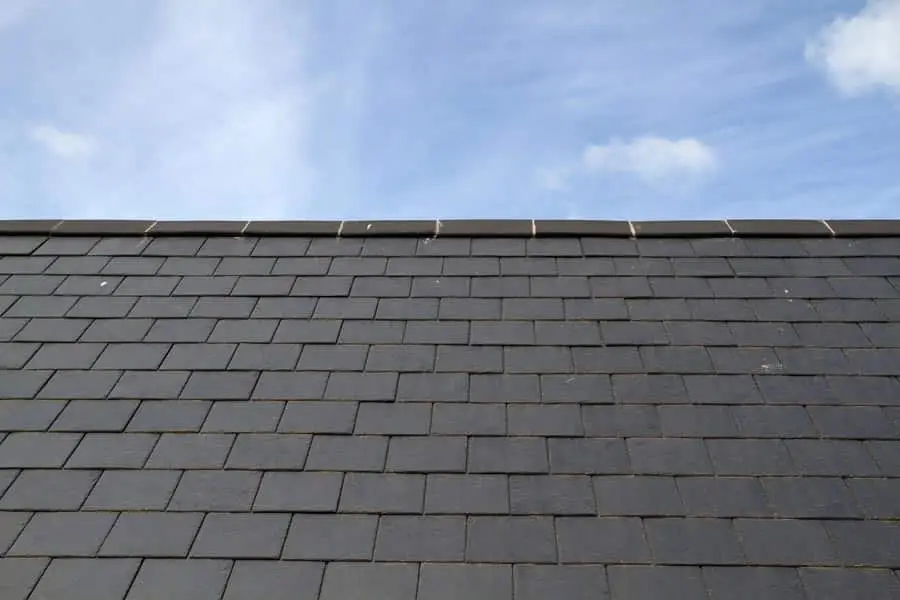
Slate is a natural stone roofing material known for its beauty and extreme durability. It has been used for centuries in areas with challenging climates.
Performance in Extreme Conditions
Slate is highly resistant to water absorption, making it ideal for heavy rain and snow. It does not rot, burn, or suffer from insect damage. Slate also performs well in freezing temperatures, as it is less likely to crack under normal freeze–thaw cycles.
Structural Requirements
Because slate is heavy, homes must have adequate structural support. Installation also requires skilled professionals, which can increase costs. However, slate roofs can last over 100 years, making them one of the longest-lasting roofing materials available.
Cedar Shakes: Natural Insulation with Caveats
Cedar shakes offer a classic appearance and natural insulating properties, but they require careful consideration in Ontario’s climate.
Benefits of Cedar Roofing
Wood shingles and shakes provide good thermal insulation and can handle moderate weather conditions when properly maintained. They also allow air circulation, which can help regulate attic temperature.
Maintenance and Moisture Risks
Cedar is vulnerable to moisture if not treated and maintained regularly. In Ontario’s wet and snowy climate, untreated wood can warp, split, or develop mold. Fire resistance is another concern, although treated products are available.
Synthetic Roofing Materials: Modern Weather Protection
Synthetic roofing products, such as rubber, polymer, or composite shingles, are engineered to mimic slate or wood while offering enhanced durability.
Advantages of Synthetic Roofing
These materials are lightweight, impact-resistant, and designed to handle severe temperature changes. Many are rated for high winds and resist cracking from freezing temperatures. They also require less maintenance than natural materials.
Ideal for Long-Term Performance
Synthetic roofs are often more affordable than slate while offering similar appearance and strong weather resistance. Their flexibility makes them less likely to crack during freeze–thaw cycles, which is a major advantage in Ontario.
Clay and Concrete Tiles: Durable but Climate-Sensitive
Tile roofing is extremely durable, but it is less common in Ontario due to its weight and performance in freezing conditions.
Strengths of Tile Roofing
Concrete tiles can withstand high winds and offer excellent longevity. They are also fire-resistant and low maintenance.
Challenges in Cold Weather
In climates with frequent freeze–thaw cycles, moisture absorption can lead to cracking if tiles are not properly rated for cold weather. Structural reinforcement is also needed due to their weight.
Key Factors When Choosing Roofing Materials
Beyond the material itself, installation quality and supporting components matter just as much.
Proper Insulation and Ventilation
Good attic insulation and ventilation help prevent ice dams and extend roof life. Even the best roofing material can fail if ventilation is poor.
Wind Resistance Ratings
Ontario storms can produce strong winds. Always check the wind rating of shingles or panels before choosing a product.
Moisture Protection
Underlayment and flashing systems play a crucial role in preventing leaks, especially during snowmelt and heavy rain.
Read Also : Choosing the Right Commercial Roofer in Ontario
Final Thoughts on Roofing for Ontario Homes
The best roofing material for Ontario’s extreme weather combines durability, moisture resistance, and the ability to handle temperature fluctuations. Asphalt shingles remain a reliable and budget-friendly option, while metal roofing offers superior longevity and snow performance. Slate provides unmatched lifespan, and synthetic materials deliver modern, weather-resistant alternatives.
Every home has unique needs based on structure, budget, and location. Consulting experienced roofing professionals ensures the selected material will perform well under Ontario’s demanding climate conditions. A well-chosen roof does more than protect a house — it safeguards comfort, efficiency, and long-term property value.