
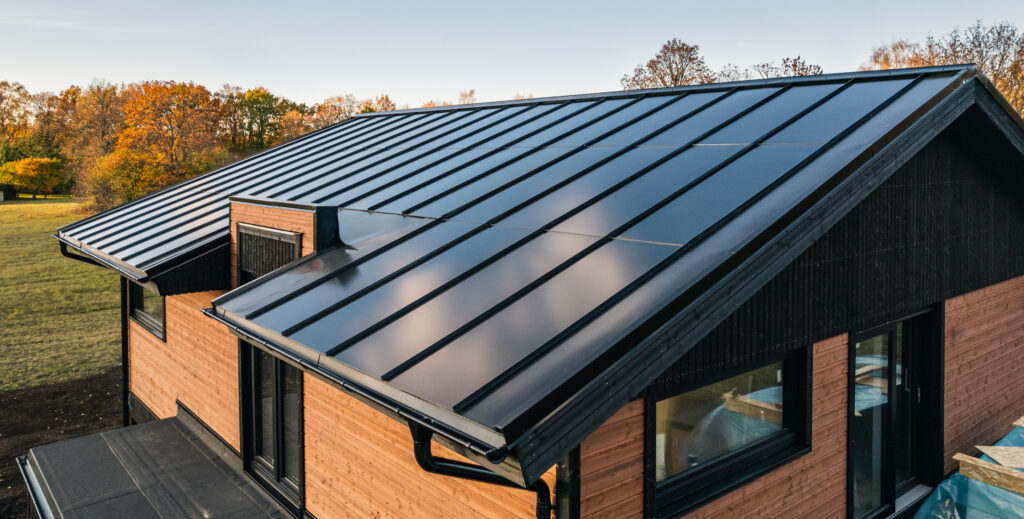
Choosing the right roofing style is one of the most important decisions homeowners make when building, renovating, or replacing a roof. In Ontario, weather conditions such as snow, rain, ice, wind, and seasonal temperature changes can significantly affect roofing performance over time. Because of this, homeowners often compare flat roofs and sloped roofs to determine which option works best for their property.
Both roofing styles offer advantages and limitations depending on the home’s design, maintenance expectations, budget, and climate considerations. Understanding the differences between flat and sloped roofing systems can help homeowners make more informed long-term decisions.
This guide explains the major differences between flat roofs and sloped roofs and explores which roofing style may be better suited for Ontario homes.
Understanding Flat Roofs
Flat roofs are commonly used in modern residential and commercial architecture.
Flat Roofs Typically Feature
- Minimal roof slope
- Contemporary appearance
- Simplified rooflines
- Usable rooftop space
Although called “flat,” these roofs usually include a slight slope to allow water drainage.
Understanding Sloped Roofs
Sloped roofs remain one of the most common roofing styles for residential homes in Ontario.
Sloped Roofs Usually Include
- Angled roof surfaces
- Traditional architectural appearance
- Improved water runoff
- Multiple roofing design options
Their shape helps direct snow and rain away from the structure more efficiently.
Why Roofing Choice Matters in Ontario
Ontario weather conditions can place heavy stress on roofing systems.
Ontario Roofs Commonly Face
- Heavy snowfall
- Freezing rain
- Ice buildup
- Wind exposure
- Temperature fluctuations
Roof design directly affects how well a structure handles these environmental conditions.
Snow Management Differences
Snow accumulation is one of the biggest considerations for Ontario homeowners.
Sloped Roof Advantages for Snow
Sloped roofs naturally encourage snow to slide off more easily.
Benefits Include
- Reduced snow buildup
- Less standing moisture
- Lower structural weight pressure
This makes sloped roofs highly popular in snowy climates.
Flat Roof Snow Challenges
Flat roofs may retain snow for longer periods.
Potential Concerns Include
- Snow accumulation
- Increased structural stress
- Ice formation risks
- Drainage complications
Proper design and drainage systems are especially important for flat roofs in winter climates.
Water Drainage Differences
Efficient water drainage helps prevent roof damage.
Sloped Roof Drainage Benefits
Sloped roofs naturally direct water downward.
Advantages Include
- Faster water runoff
- Reduced standing water
- Lower leak risks
Water drainage tends to be more efficient on angled roofing systems.
Flat Roof Drainage Systems
Flat roofs depend more heavily on engineered drainage systems.
Flat Roof Drainage Often Includes
- Interior drains
- Scuppers
- Gutters
- Slight surface grading
Without proper maintenance, drainage issues may increase over time.
Maintenance Requirements
Roof maintenance needs vary significantly between roofing styles.
Flat Roof Maintenance
Flat roofs usually require more frequent inspections.
Maintenance May Include
- Drain cleaning
- Waterproof membrane checks
- Ponding water inspections
- Debris removal
Regular maintenance helps extend roof lifespan.
Sloped Roof Maintenance
Sloped roofs also require inspections but may experience fewer drainage-related issues.
Common Maintenance Includes
- Shingle inspections
- Flashing repairs
- Gutter cleaning
- Storm damage evaluations
Routine maintenance remains important for all roofing systems.
Roofing Lifespan Considerations
Roof longevity often depends on material quality, installation, and maintenance.
Flat Roof Lifespan Factors
Flat roof performance may depend heavily on:
- Waterproof membrane quality
- Drainage efficiency
- Seasonal maintenance
Proper installation is especially critical for flat roofing systems.
Sloped Roof Lifespan Factors
Sloped roofs often benefit from:
- Better water runoff
- Reduced standing moisture
- Lower snow retention
These factors can sometimes support longer roofing durability.
Energy Efficiency Differences
Roofing systems may affect indoor energy performance.
Flat Roof Energy Considerations
Flat roofs are often used with:
- Reflective roofing materials
- Modern insulation systems
- Energy-efficient commercial designs
Some flat roofing systems are designed to reduce heat absorption.
Sloped Roof Energy Benefits
Sloped roofs may support:
- Improved attic ventilation
- Better airflow
- Reduced moisture buildup
Proper insulation remains essential regardless of roof type.
Aesthetic and Design Differences
Home appearance also influences roofing decisions.
Flat Roof Appearance
Flat roofs are commonly associated with:
- Modern architecture
- Contemporary homes
- Minimalist designs
They are often preferred for sleek urban aesthetics.
Sloped Roof Appearance
Sloped roofs typically offer:
- Traditional curb appeal
- Classic residential appearance
- Wider architectural variety
Many Ontario neighborhoods feature sloped roofing designs.
Rooftop Usage Possibilities
Flat roofs sometimes provide additional usable space.
Flat Roof Usage May Include
- Rooftop patios
- Outdoor seating areas
- HVAC system placement
- Green roof installations
This flexibility appeals to some homeowners and commercial property owners.
Weather Resistance Considerations
Ontario weather places heavy demands on roofing systems.
Sloped Roof Weather Advantages
Sloped roofs often perform well against:
- Heavy rainfall
- Snow accumulation
- Ice drainage challenges
Their design naturally helps manage harsh weather conditions.
Flat Roof Weather Challenges
Flat roofs may require:
- More drainage management
- Frequent winter inspections
- Strong waterproofing systems
Proper maintenance becomes especially important during seasonal changes.
Repair Complexity
Repair needs may vary between roof types.
Flat Roof Repairs
Flat roof problems sometimes involve:
- Membrane damage
- Drainage issues
- Water pooling concerns
Repairs often require specialized waterproofing expertise.
Sloped Roof Repairs
Sloped roof repairs commonly involve:
- Shingle replacement
- Flashing repairs
- Gutter maintenance
Accessing steep roof areas may sometimes increase labor complexity.
Cost Considerations
Roofing costs depend on multiple factors.
Pricing Factors Often Include
- Roofing materials
- Roof size
- Installation complexity
- Drainage systems
- Structural design requirements
Flat roofs may sometimes cost less initially, while long-term maintenance expenses can vary.
Importance of Professional Installation
Proper installation strongly affects roof performance.
Professional Roofing Services Help With
- Waterproofing accuracy
- Ventilation planning
- Structural safety
- Drainage system installation
Experienced contractors help reduce future roofing problems.
Choosing the Right Roof for Your Home
The best roofing option depends on:
- Home design
- Climate considerations
- Maintenance preferences
- Budget goals
- Long-term property plans
Both roofing styles can perform well when properly installed and maintained.
Why Ontario Homeowners Often Prefer Sloped Roofs
Because of Ontario’s snowy climate, many residential homeowners choose sloped roofs for:
- Better snow management
- Improved drainage
- Traditional residential appearance
However, flat roofs continue growing in popularity for modern architectural styles.
Read Also : How to Spot Storm Damage on Your Ontario Roof
Final Thoughts
Both flat roofs and sloped roofs offer unique advantages depending on a homeowner’s needs, design preferences, and maintenance expectations. In Ontario’s climate, sloped roofs are often favored for their ability to manage snow and water more efficiently, while flat roofs remain popular for modern aesthetics and functional rooftop space.
The ideal roofing system depends on the property’s structure, budget, lifestyle needs, and long-term maintenance plans. Regardless of roofing style, regular inspections, proper installation, and preventative maintenance remain essential for protecting Ontario homes from weather-related roofing problems.